
Lights, shades, climate, audio, video, cameras, locks — one system, one app, one team that knows how all of it connects. Whole-home automation designed and installed across Montgomery County since 2004.













Most "smart homes" are a shelf of gadgets that don't talk to each other — an Alexa over here, a Ring doorbell over there, three thermostats, a pile of remotes on the coffee table. That's not automation. That's clutter.
A real smart home is one system. One interface. One team that designs the logic end to end — what happens when you pull into the driveway at seven p.m., what happens when the smoke alarm goes off at three a.m., what happens when you say "good night" from the primary bedroom. We've been doing this for twenty-two years. We pick the right platform for your house — sometimes Savant, sometimes Josh.ai, sometimes a native Apple Home build layered over Lutron and Sonos — and we build it to work the way you actually live.
This is what whole-home automation feels like in practice. Select a few rooms, pick a scene, and see what the house does. In your home, the same logic runs on your app, your wall keypads, your phone, or your voice.
Every major platform has a sweet spot — and a blind spot. We install all four. We pick based on the home, the subsystems, and how technical the household wants to be. Not based on what's on sale.
Smart home integration is only as strong as the weakest connection. We pull every subsystem onto a single, manageable platform — and we design the network under it so the whole thing stays up even when your ISP doesn't.
Every home is different, but the scope conversation usually starts in one of these three places. Fixed scope, fixed price before any hardware ships.
A smart home isn't about how many devices you have. It's about what happens automatically. The goal is simple — when you walk in the door at the end of a long day, the house already knows what to do, so you don't have to.— Rick · SWAT A/V · North Potomac, MD
Every SWAT smart-home build ties theater, audio, lighting, climate, and security onto one interface. Three examples — not the full list.
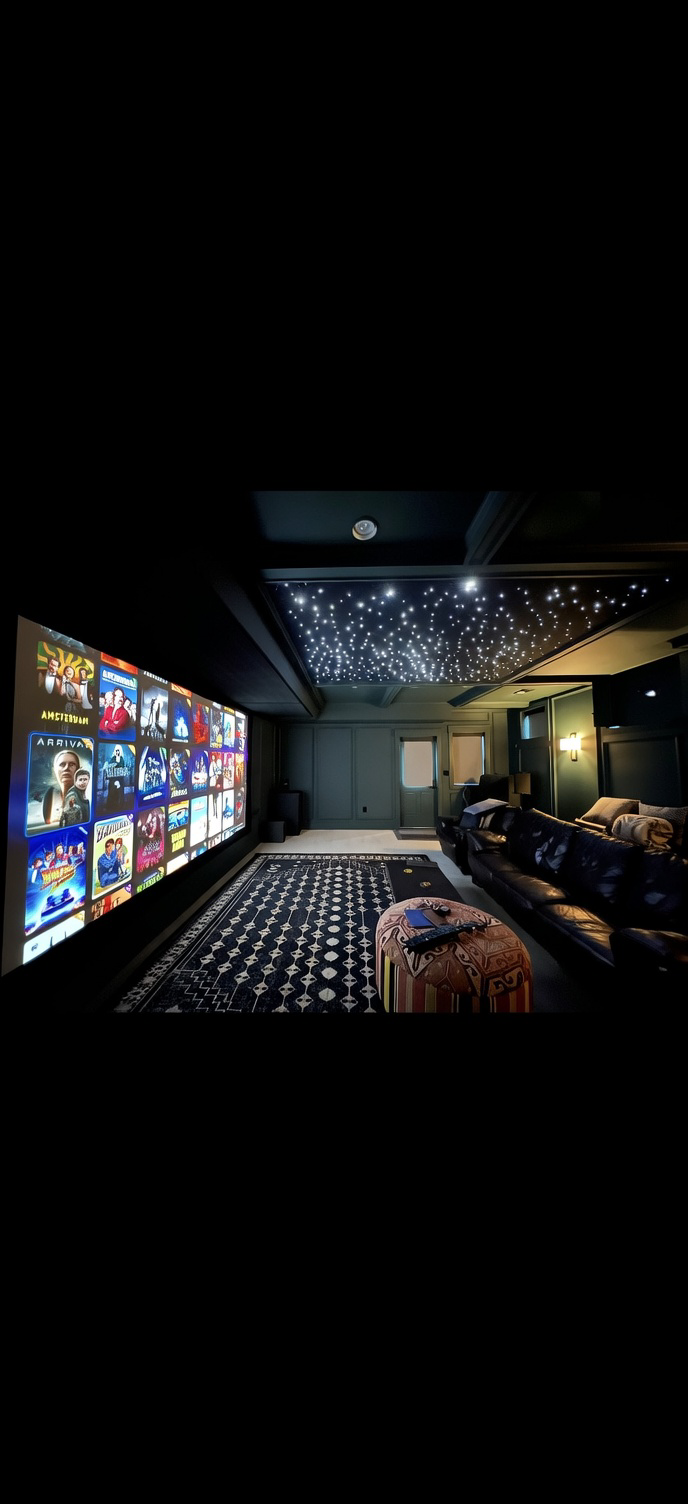
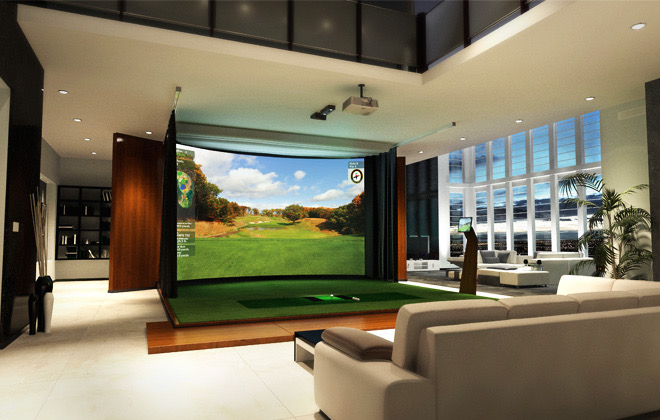
The smart home industry is famous for not publishing numbers. We publish them because we quote them.
| Scope | Typical Range | What Drives It |
|---|---|---|
| Entry Automation | $8,000 – $20,000 | Lighting, single-room AV, app control, Lutron Caseta |
| Whole-Home Savant or Josh.ai | $25,000 – $75,000 | Lighting, audio, video, climate, security — one interface |
| Estate-Scale Integration | $75,000 – $250,000+ | Multi-wing, outdoor, pool, full redundancy, Crestron |
Photos from real projects across Potomac, Bethesda, and the DMV. No renders, no stock — every frame is a finished install.
A smart home is one system where every subsystem — lights, shades, audio, video, climate, security, access — talks to the same brain and can be triggered by the same scene. A pile of independently-controlled Alexa devices isn't a smart home. It's a shelf of gadgets. The difference is design and integration, not the count of products.
Depends on scale. If you have a condo with three smart bulbs, Alexa does the job. If you have a whole house with theater, motorized shades, multi-room audio, cameras, and a HVAC system you want to work with occupancy — Alexa starts to break down. Savant (or Josh.ai or Crestron) was built for that complexity. We'll tell you honestly when you've crossed the line.
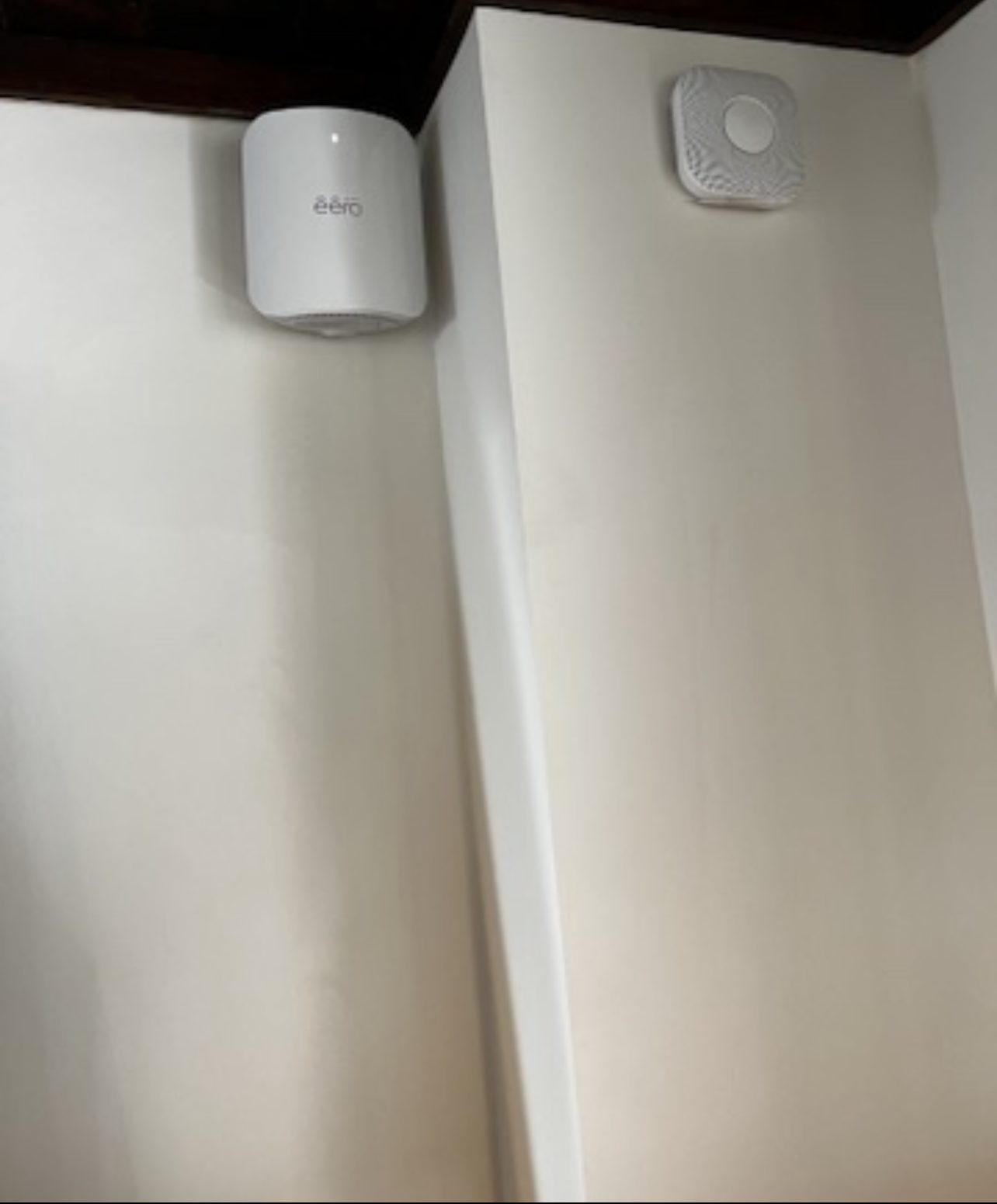
Almost always yes. Nest thermostats, existing Sonos speakers, Lutron Caseta, Ring doorbells, Ecobee, August locks — we absorb what works and replace only the pieces that don't integrate cleanly with the platform we're standing up. No reason to throw away gear that plays well.
That's a huge part of why we pick the platforms we pick. Savant has 20+ years of backward-compatible firmware. Josh.ai is engineered around long-term local processing. We stay away from platforms that look cool in a trade-show demo and disappear two years later — we've inherited enough orphaned systems from other integrators to know the pattern.
Remote support is free — every OVRC-equipped install gets 24/7 monitoring and remote troubleshooting at no additional charge. We don't sell a service plan. When something needs an on-site tech, we charge for the visit and the parts. Most houses we built in 2015 call us twice a year at most.
Core scenes keep running. Lights, shades, audio, climate, and most voice commands run on local processors and keep working without internet. Remote phone access pauses until the ISP comes back. Josh.ai is more local-first than Alexa, which is one of the reasons we lean on it for households that want resilience.
Every smart home starts with a walkthrough. Tell us what drives you crazy about your current setup — we'll show you what it can be. No pressure, no upsell, no canned presentation.
A house full of smart devices means you have a Ring doorbell, a Nest thermostat, three different speakers, and four apps to control them. A real smart home means lighting, shades, audio, security, climate, and AV all respond to one set of scenes — 'good morning,' 'movie time,' 'away,' 'goodnight' — from one interface. The technology gap isn't huge; the integration gap is.
Apple Home + Lutron + Sonos covers about 80% of what a typical Potomac household actually needs, at 5% of the price of a pro Control4 install. We recommend Control4 or Savant for estates over 6,000 sq ft, multi-zone AV across 8+ rooms, or households that want one tablet to run everything. Otherwise DIY-friendly with our help.
Yes. Everything we install is built on open or industry-standard platforms — Lutron, Sonos, Ubiquiti, Apple HomeKit, Alexa. No proprietary middleware. If we disappeared tomorrow, any qualified integrator could pick up your system. That's a deliberate design choice.
Usually yes. Ring, Alarm.com, SimpliSafe, and most pro systems integrate with our automation platforms. If your system uses a proprietary cloud (some legacy ADT, some early Vivint), we can usually still trigger automation off open/close events but not full two-way control. We assess before quoting.
Depends on scope. A whole-home Lutron + Sonos + Apple Home setup in a 4,000 sq ft house runs 5 to 12 days of install work plus 2 to 4 days of programming and tuning. Adding AV, security, and Control4-level automation pushes it to 3 to 8 weeks. We stage everything in the warehouse first so on-site work is mostly install.