
Weatherproof TVs, landscape speakers, patio automation — designed as part of your home, built to survive the weather that actually hits in the DMV.













The best outdoor AV install looks like it was always part of the house. Speakers disappear into the landscape. TVs look like TVs — not jury-rigged indoor panels with a vinyl cover duct-taped over them. Cabling doesn't run along the fence in zip ties.
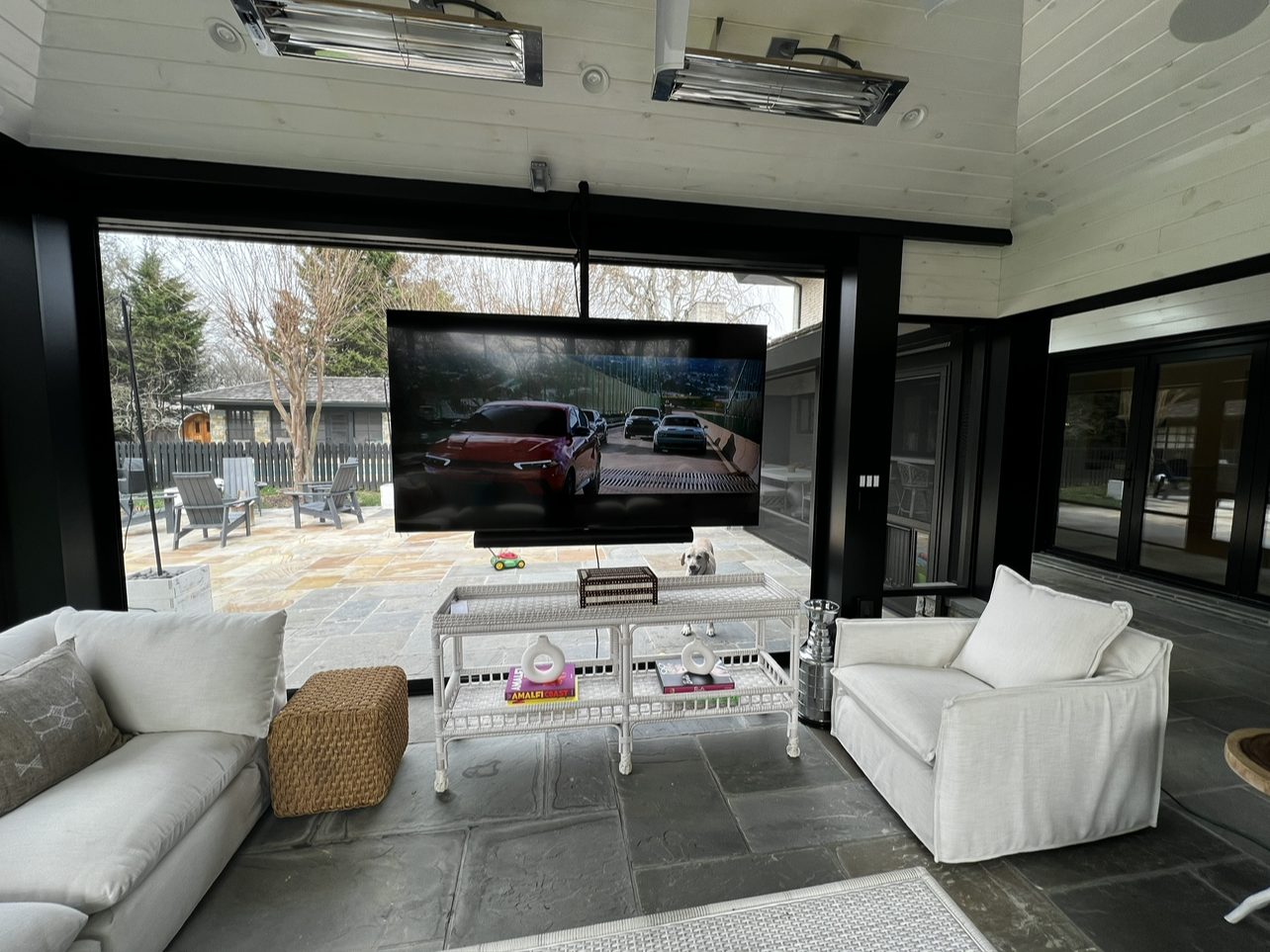
Humidity, sun, rain, pollen, winter freeze-thaw — a normal TV lasts a summer. A real outdoor TV lasts a decade. We install only gear engineered for the environment it goes into.
Not every outdoor TV handles direct sun. A 1,500-nit panel on a south-facing roof deck will wash out at noon. We spec by exposure at the actual mount location.
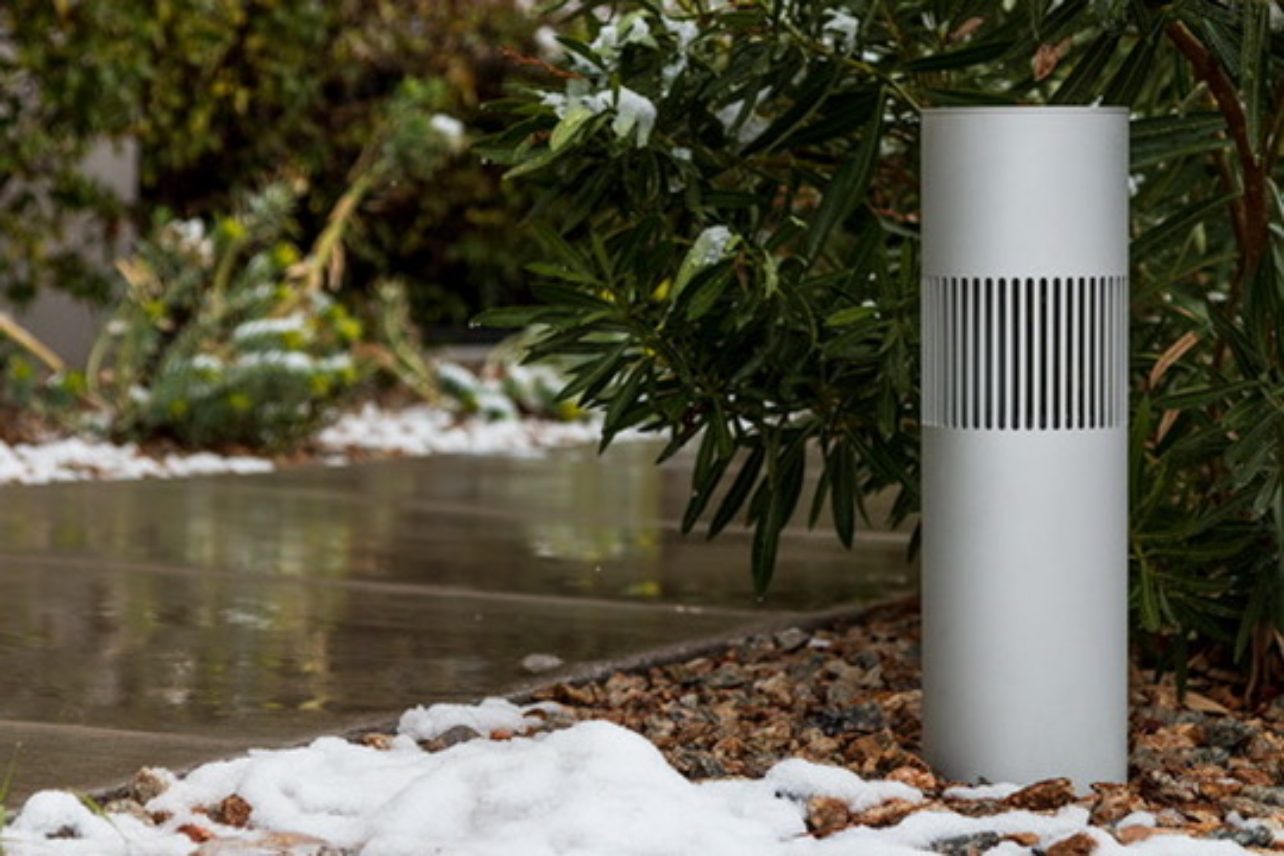
Landscape satellites sit in planting beds, painted to blend with mulch. Buried subwoofers recess into the lawn. Guests hear the music before they notice where it's coming from.
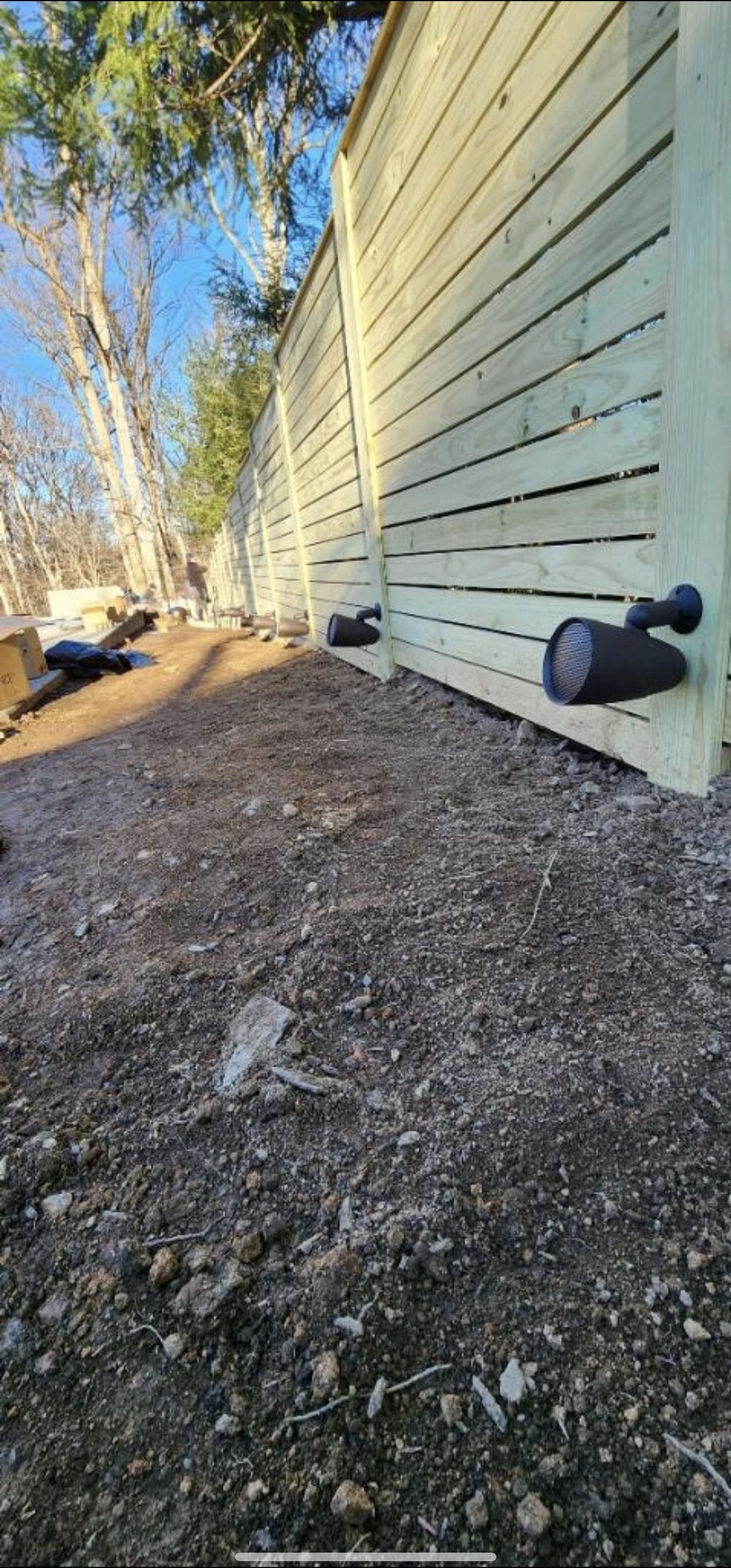
Direct-burial cable in PVC conduit where code requires. Sealed penetrations. Weatherproof junction boxes. No zip-tied runs along fences. No return trips to fix bad terminations.
Pick the use case. We'll surface the IP rating, display nit-level, speaker grade, and ambient-light spec that actually belongs in that spot.
Toggle a zone to see what we install there. Each zone is scoped independently — speakers, displays, outdoor Atmos, and landscape audio all live on their own plan.
Backyards work harder in the DMV summer than any theater does. If the system can survive a July humidity day and a February ice storm back-to-back — it was built right.— Rick · SWAT A/V · North Potomac, MD
Brightness is measured in nits. Partial sun needs 3× an indoor panel. Full direct sun needs 6× or more. A normal TV will technically run in the shade — it just won't be watchable.
We walk the outdoor space at the time of day you actually use it. Sun angles, noise from neighbors, sightlines, seating zones. We measure, photograph, and map.
Covered patio, pool, fire pit, garden, driveway, gazebo. Each zone gets scoped independently — different speaker, TV, and lighting needs.
Match equipment tier to exposure. Full-sun needs a 3,000-nit panel. Covered can run 1,500. Sonance landscape for large yards; in-eave for tight patios.
Direct-burial cable in PVC conduit where code requires. Rated for outdoor use with proper terminations. We pull it once, we pull it right.
Mounts sealed at every penetration. Connections in weatherproof junction boxes. Speakers placed for coverage, not convenience.
Volume zones tuned for coverage without bleeding to neighbors. Scene integration tested. Family trained on the keypad or app they'll actually use.
Every outdoor project is custom, but most land in one of three tiers. Here's where we usually start the conversation.
Photos from real projects across Potomac, Bethesda, and the DMV. No renders, no stock — every frame is a finished install.
Technically yes — realistically, one season. Pollen and humidity corrode the drivers, cold nights kill the crossovers, and soffit mounts meant for indoor use leak. A proper outdoor speaker is sealed, rubber-surround, UV-stable, and temperature-rated. The price delta versus bookshelf speakers isn't worth the replacement cycle.
Done right, yes. That means IP55 or better for open patios, IP65 for pool-adjacent, marine-grade for waterfront. Sealed penetrations. Weatherproof junction boxes. Direct-burial cable in conduit. We've got 15-year-old SunBrite installs still running. Done wrong — indoor gear "weatherproofed" with plastic covers — you'll replace it inside 18 months.
On a covered patio, yes — soffits give us the ceiling we need for height channels. Four at ear-level plus two height speakers over the seating position creates a real 4.0.2 outdoor Atmos experience. Uncovered, no — there's no ceiling for height channels. A well-placed 4.1 outdoor system still sounds great.
Yes — that's most of our mounts. Tapcon anchors into brick and mortar, masonry anchors into stone, stucco gets a backed-out pilot with sealed flashing. The key is sealing the penetration afterward so water can't wick in behind the mount. We never mount into dry-stacked veneer without a structural backer.
Outdoor-rated access points under the eave, or in a weatherproof enclosure on a pergola post. Most indoor routers can't reach a pool deck — they weren't designed to. We do outdoor mesh with Ubiquiti or TP-Link Omada. Signal to the driveway, the gazebo, the pool. Streaming outside stops buffering.
No. Outdoor-rated TVs are temperature-cycled to -24°F through 122°F. They sit outside year-round. We do recommend a weatherproof cover for uncovered mounts just to reduce UV and pollen load — that's a $100 accessory, not a $2,000 takedown.
Every outdoor project starts with a walk of the space at the time of day you use it most. We come to you. We measure, we photograph, we map — then we scope.